
Economy
Macroeconomic models distinguish time-dependent pricing, where firms change prices at fixed intervals, from state-dependent pricing, where firms change prices in response to changing demand or



Macroeconomic models distinguish time-dependent pricing, where firms change prices at fixed intervals, from state-dependent pricing, where firms change prices in response to changing demand or
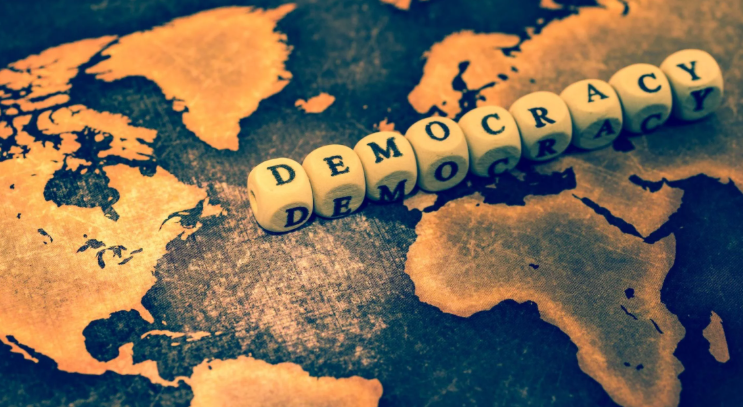
Wars do not end when the fighting stops. This column uses data covering 115 conflicts and 145 countries over the past 75 years to show
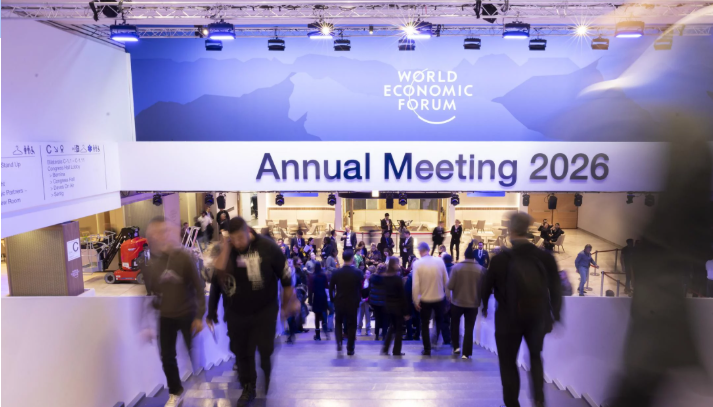
The latest World Economic Forum (WEF) Annual Meeting in Davos has just concluded, with geopolitical tensions dominating the agenda. Headlines focused less on climate cooperation

The post‑pandemic inflation surge is often attributed to pent-up demand and opportunistic price hikes by firms. This column argues that the surge was not driven
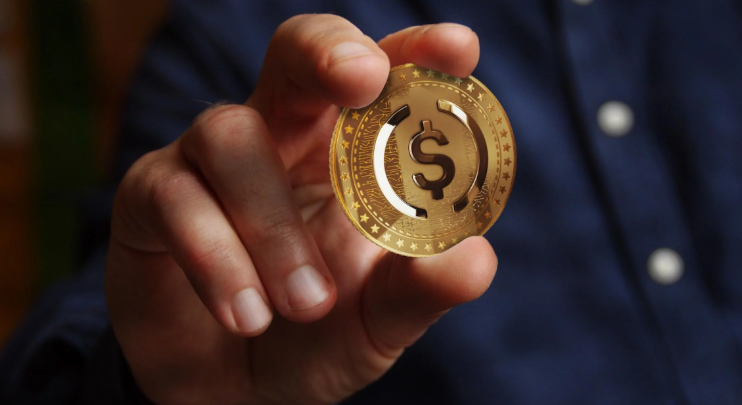
Payment stablecoins are set to become important financial instruments (TBAC 2025). This prospect has prompted recent regulatory initiatives for fully backed fiat currency-pegged stablecoins usable

European firms tend to be smaller and less productive than US firms. Qualitative and survey-based evidence suggests that one key reason is the remaining barriers

Existing evidence on carbon leakage is mixed. Early ex-post studies of carbon pricing typically found little evidence of leakage, largely because of low carbon prices
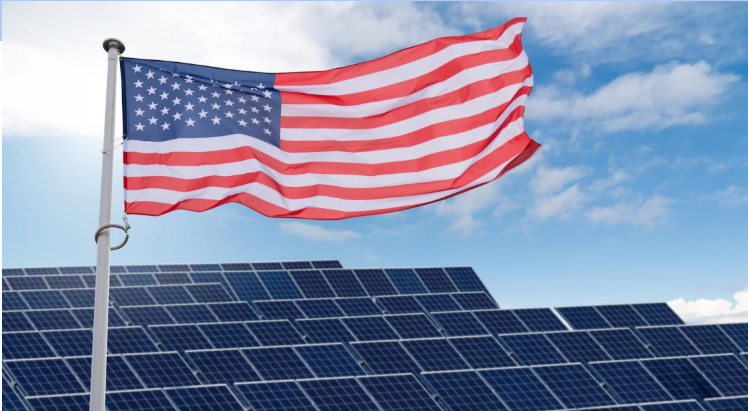
Governments worldwide face mounting pressure to simultaneously expand domestic clean energy industries and accelerate decarbonisation. Recent policies combine subsidies for clean technology with various protectionist
Existing evidence indicates that foreign direct investment promotes growth only when host economies have the human capital and deep financial markets to absorb spillovers. This

The EU’s digital economy relies on investments by the telecoms industry to keep the bloc at the forefront of digital innovation and connectivity. However, the