International Trade
Global current account imbalances are widening again. China’s surpluses have prompted warnings of a second ‘China shock’, and research on exchange rates and industrial policies



Global current account imbalances are widening again. China’s surpluses have prompted warnings of a second ‘China shock’, and research on exchange rates and industrial policies

High-growth startups often lose money before they make it. Building a product, hiring a team, entering new markets, and acquiring customers can require sustained spending

The 2026 Middle East conflict and the disruption of traffic through the Strait of Hormuz generated the largest physical supply disruption in the history of
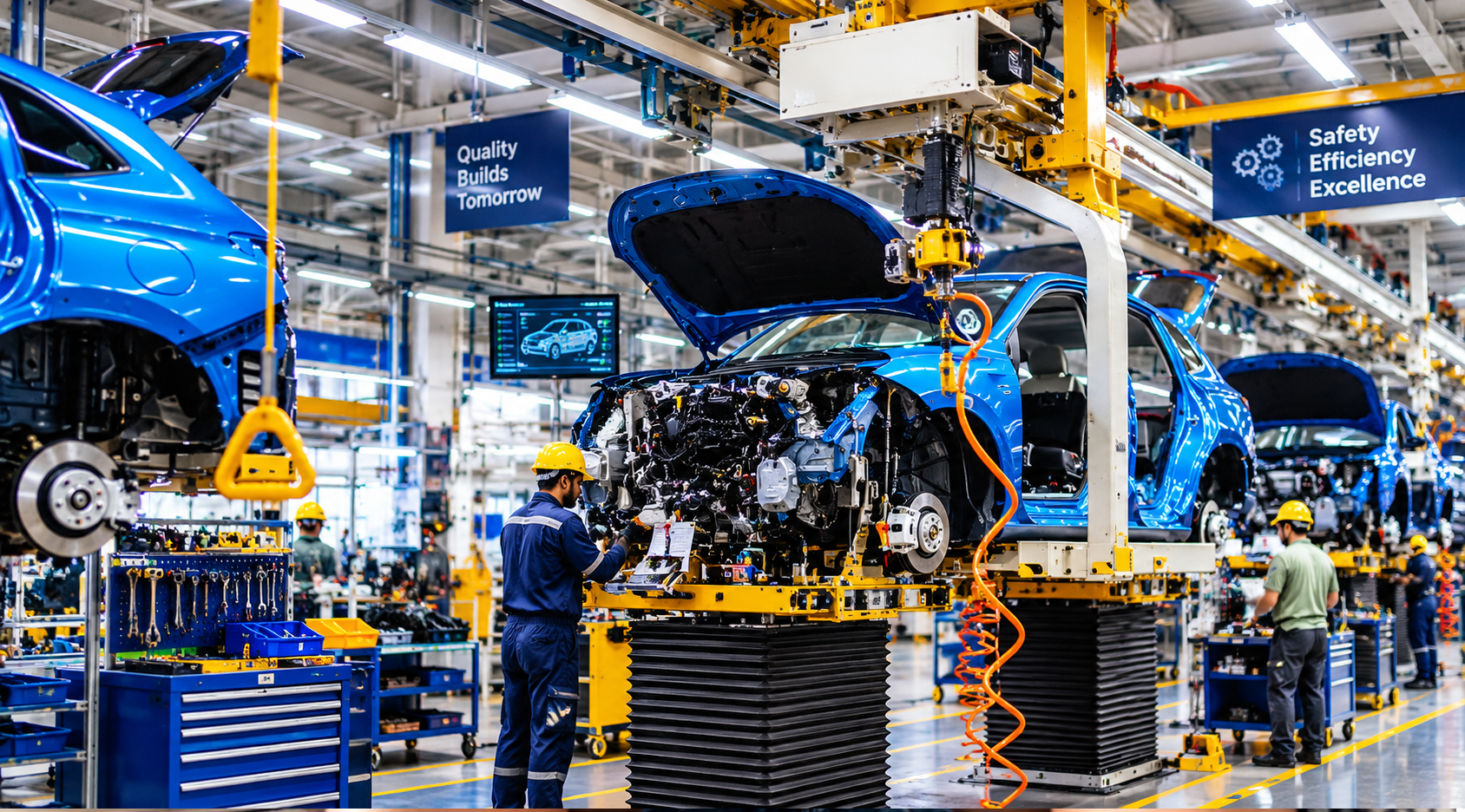
Europe’s automotive industry is one of the continent’s key industrial sectors, not only because of its direct contribution to employment, value added, and R&D expenditure,

Is the decline in news consumption among young people inevitable? This article reports on a large-scale randomized controlled trial conducted in France to investigate whether

The Bank of England is approaching the 30th anniversary of operational independence and a wide-ranging review is likely. With growing political interest in the issue,

Modern manufacturing often requires firms to share confidential information with outside suppliers, some of whom also supply their competitors. Using more than 160,000 contracts from

The 2026 Iran war provides a natural experiment that allows model-free estimation of the price elasticity of US shale oil supply. This column argues that

Industrial policy is back on the agenda across advanced economies, with a growing channelling support towards large incumbent firms on the premise that they are

The labour force participation of women in the US peaked in 1997 and has stagnated since. This column argues that workplace inflexibility is the common