
Finance
In most jurisdictions today, two legacy conventions cause significant misperceptions of central bank money—the backbone of modern monetary systems. First, it is still commonly treated as a


In most jurisdictions today, two legacy conventions cause significant misperceptions of central bank money—the backbone of modern monetary systems. First, it is still commonly treated as a

A cyberattack against Morocco’s National Social Security Fund, which resulted in the leakage of the personal and financial details of nearly two million people; a cyber heist of US$ 1.5 billion in Ethereum, from the
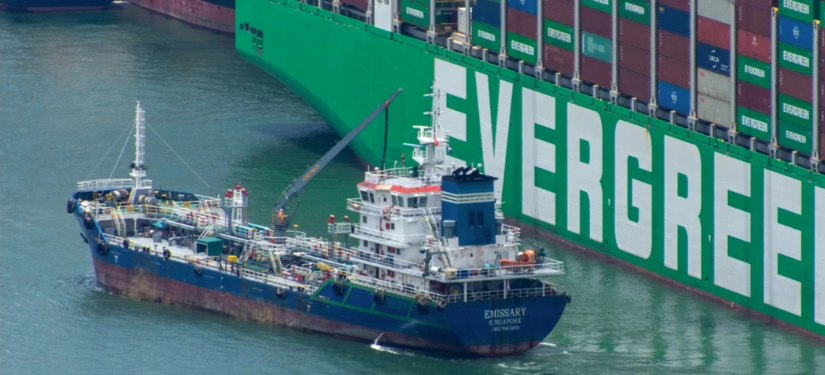
Ships move most internationally traded goods between countries. Low-cost seaborne transport allows countries to import essential commodities – such as food, clothing, and pharmaceuticals – and export their own signature products competitively. To safeguard low transport costs, we have analyzed

By 2050, one in three of the world’s children will live in Africa. Yet this demographic shift coincides with a profound learning crisis: over 70 percent
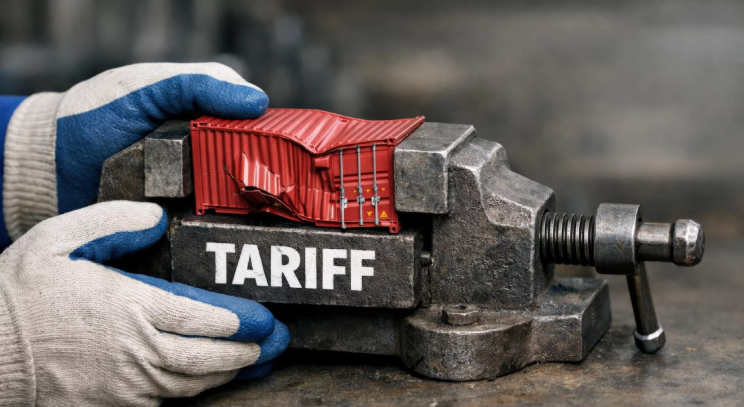
Recent tariff increases have sparked a debate over whether trade protectionism can effectively attract foreign investment. This column analyses how firms adjust their investment strategies
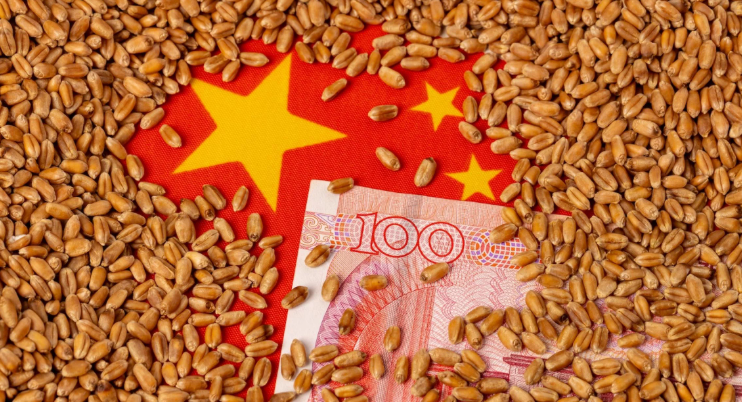
China’s industrial policy has become a central flashpoint in global trade debates, yet systematic evidence on what China actually does remains scarce. This column reveals
Financial globalisation has been a central feature of the world economy since the mid 1990s, leading to large holdings of cross-border assets and liabilities (Milesi-Ferretti
Several central banks, including the European Central Bank (ECB), are pursuing plans to potentially introduce a central bank digital currency (CBDC) alongside physical money. Such
History provides examples of large changes in the relative economic size of nations. Often these economic realignments coincide with heightened geopolitical tension. A historical example

Globalisation has been one of the key economic forces of the past half-century. It is credited with lifting millions of people worldwide out of poverty.