News
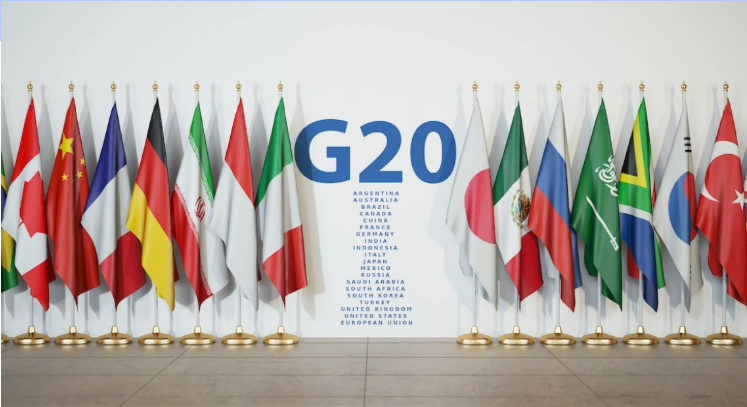
The G20 is approaching a turning point. Established in the aftermath of financial crises as a forum for macroeconomic coordination, it has gradually expanded into



The G20 is approaching a turning point. Established in the aftermath of financial crises as a forum for macroeconomic coordination, it has gradually expanded into
Innovation is widely viewed as the engine of economic growth. But not all innovations play the same role. Economists often distinguish between product innovations, which
The composition of international reserves is in a constant state of flux. This column identifies some surprising recent trends, including the continued diversification away from

A central problem for every firm is to ensure that workers provide effort, especially when that effort is hard to monitor. While financial incentives such

In a cost-of-living shock, households must cope with lower purchasing power while also substituting away from goods whose prices have risen. The distributional consequences of
Economics offers a century-old fix to climate change: carbon pricing. While widely accepted in policy circles, practical attempts to implement carbon taxes have been consistently
Public debt is at or near record highs in many economies, at the same time as population ageing, climate change, and defence needs are putting
Bank balance sheets on both sides of the Atlantic have undergone a profound transformation. While traditional corporate lending has slowed, lending to non-bank financial institutions

Comparable international survey data on artificial intelligence adoption by firms is still lacking. This column surveys over 5,000 CFOs, CEOs, and executives from stratified firm
Business cycles in advanced economies are increasingly driven by global rather than domestic shocks. This column shows that global shocks now account for about half