


Yoko Watanabe, ADB’s Director of Nature and Environment, explains how investing in nature supports economic growth in Asia and the Pacific, based on research for the report Unlocking Nature for Development
Asia and the Pacific boasts some of the world’s richest and most diverse ecosystems, from towering Himalayan glaciers and lush rainforests to vast coastal mangroves and coral reefs. These natural assets are critical to the region’s prosperity—providing food, water, jobs, and protection from disasters. Yet rapid development and environmental degradation are putting these systems at risk.
What does investing in nature mean, and why is it important for Asia and the Pacific?’
Investing in nature means directing finance toward protecting, restoring, and managing the natural ecosystems that drive economic, social, and environmental benefits.
Home to numerous mega-biodiverse countries, Asia and the Pacific is the region most vulnerable to disasters and changing weather patterns.
Nature is under increasing pressure from human activities, reducing its ability to keep delivering the vital services we need—such as cleaning our air, storing carbon in fertile soil, preventing floods, pollinating our crops, and many others.
How much of Asia and the Pacific’s economy relies on natural resources, and which industries benefit most when we protect them?
About 75% of the region’s economy is either heavily or moderately dependent on the natural environment. Key industries benefiting from protecting nature include agriculture, fisheries, forestry, and eco-tourism. Others include construction and manufacturing, as well as retail and transportation.
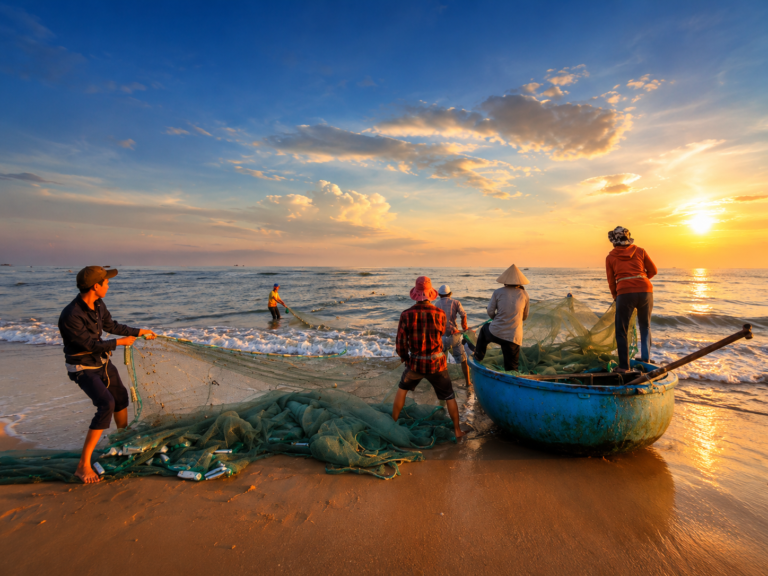
When we say one sector is more dependent on nature than another, it means its health, output, or resilience would decline more than those of other sectors if natural ecosystems were degraded. And the opposite should they improve. Fisheries, for example, depend on healthy fish-breeding grounds in corals and mangroves, clean water, and sustainable fishing practices. A coastal community’s health, education, and local government services will also be heavily dependent on those same ecosystems.
Healthy ecosystems underpin sustainable growth, which is essential to maintaining the finances and spending priorities of governments, businesses, and households.
Why should investors care about funding nature projects?
Investors should fund projects that benefit and protect nature because, as well as being beneficial to society, it is profitable to do so. These investments, often called “nature-positive” projects, not only bring significant financial returns but can also unlock tax benefits and other incentives. Investing in nature can also reduce long-term financial and reputational risks, lower maintenance and health costs, and make economies more resilient.
Restoring mangroves, for example, can save billions of dollars a year in flood protection. Nature-based solutions are often cheaper, self-maintaining, and can be adapted as external conditions change. Every dollar invested in forest restoration can yield $7–$30 in benefits, including carbon storage, soil preservation, and flood control. Shifting to a nature-positive economy could unlock around $4 trillion in investment and create more than 200 million jobs in Asia and the Pacific alone.
Are there examples in the region where investing in nature has improved people’s lives and the environment?
Yes, there are many examples. In India, sustainable farming techniques increased the organic carbon content of soil by 40%–46%, which in turn boosted rice crops by 38%–53%. In Viet Nam, sustainable shrimp farming, combined with mangrove preservation, has increased catches. Credible sustainability certificates allow farmers to charge 10%–20% more for their product.
In the People’s Republic of China, a project to improve the management of more than 10,000 hectares of forests has more than doubled rural incomes, created more than 1,500 jobs through ecotourism and local businesses, and improved the quality of soil.
What is holding back investment in nature, and what changes could help it grow?
The biggest obstacles to investments in nature are market failures and poor government policies that fail to price the costs and benefits of nature correctly. Natural ecosystems work for free, while pollution and other harmful activities go unpenalized and are often even subsidized. Bad behavior gets rewarded, while good behavior does not.
To change this, we need a clear and pragmatic plan that improves the way governments and the private sector operate in relation to nature and upgrades the data used to form policies. This includes a new approach to government and business accounting that values nature as a type of productive capital, just as we value labor and industrial machinery. New financial tools can unlock the scale of funding needed to tip the balance in nature’s favor.
Multilateral development banks, together with other stakeholders, have a key role in coordinating efforts, building best practices, and bridging knowledge gaps.
Protecting nature is not just an environmental goal, it is an investment in the future of our economy and society. In Asia and the Pacific, we can create long-lasting positive change by improving systems in ways tailored to each country’s situation. This will lead to increased investments in the natural systems that everyone depends on.
Source: blogs.adb.org
